
Water Bath vs Pressure Canning: Which Method Your Food Needs
The short version: it's about botulism
Clostridium botulinum is the reason home canning has rules. Its spores survive boiling, and inside a sealed jar of moist, low-acid food, with very little oxygen and temperatures between 40 and 120°F, they can grow and produce a deadly toxin within 3 to 4 days, according to the National Center for Home Food Preservation (NCHFP).
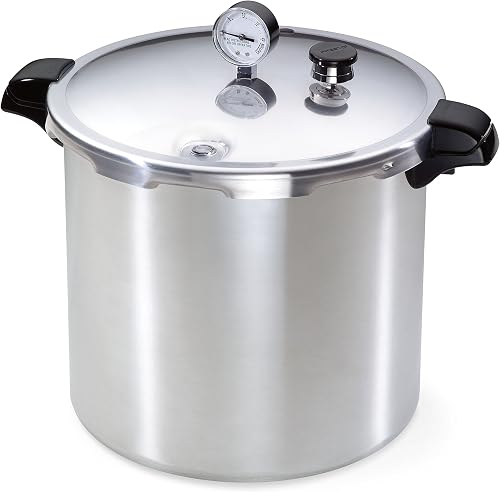
Acid stops that growth. Heat kills the spores, but only enough heat: NCHFP says low-acid foods should be processed at 240 to 250°F, which takes a pressure canner at 10 to 15 pounds of pressure. Boiling water tops out at 212°F at sea level, and lower as you go up (208°F at 2,000 feet and 201°F at 6,000 feet, per NCHFP's elevation table).
The pH 4.6 line
NCHFP splits foods into two groups:
| Acid foods (pH 4.6 or lower) | Low-acid foods (pH above 4.6) | |
|---|---|---|
| Examples | Fruit, pickles, sauerkraut, jams, jellies, marmalades, fruit butters; tomatoes and figs with added acid | Red meat, seafood, poultry, milk, and all fresh vegetables except most tomatoes |
| Canner | Boiling-water (or a pressure canner, though water bath is faster) | Pressure canner only |
| Process temperature | 212°F at sea level | 240–250°F |
Tomatoes: the in-between case
Some tomatoes and figs have a pH slightly above 4.6, per NCHFP. The fix is adding acid (bottled lemon juice or citric acid) to every jar, which brings them into the acid group so they can be water bath canned. NCHFP is firm that the acid is still required even if you pressure can them. Details in canning tomatoes.
Why not just boil longer?
You'd be boiling for a very long time. NCHFP says processing low-acid foods safely in a boiling-water canner would take 7 to 11 hours, versus 5 to 85 minutes for acid foods. NCHFP's tested recipes for low-acid foods all use a pressure canner, so use one.
What goes where: a quick guide
- Water bath: jams and jellies, fruit, applesauce, pickles made from tested recipes, sauerkraut, salsa from tested recipes, acidified tomatoes.
- Pressure canner: green beans, corn, potatoes, carrots, beans, meat, poultry, fish, stock and soup.
When in doubt, follow a tested recipe from the USDA Complete Guide to Home Canning or NCHFP. They tell you the method, jar size, headspace and time for your altitude.
FAQ
Can you water bath can vegetables?
Plain vegetables, no; they're low-acid. Pickled vegetables from a tested recipe are acidified and can be.
Why can't I just water bath low-acid food longer?
NCHFP estimates it would take 7 to 11 hours. Use a pressure canner.
Can you pressure can high-acid foods?
Yes. NCHFP just recommends water bath for them because it's faster.