
Home canning is about matching the method to the food. High-acid foods like jams, pickles and acidified tomatoes go in a water bath canner; low-acid foods like green beans need a pressure canner. If you're not sure which, start with water bath vs pressure canning. Then pick jars, lids and supplies, and follow a tested recipe like canning tomatoes or canning green beans. Every process time on this site comes from USDA and the National Center for Home Food Preservation.
Gear guides
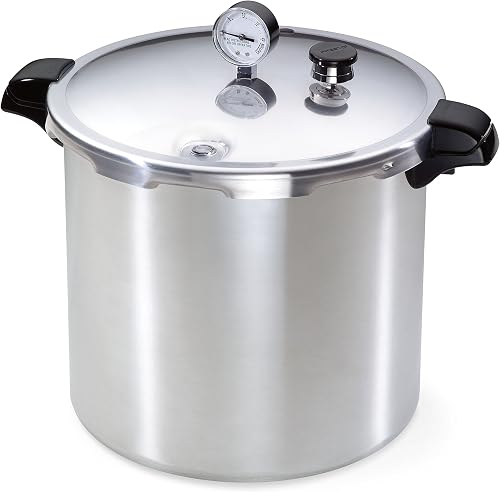
Presto, All American and T-fal stovetop canners and Presto's digital models, compared by capacity, gauge and seal.
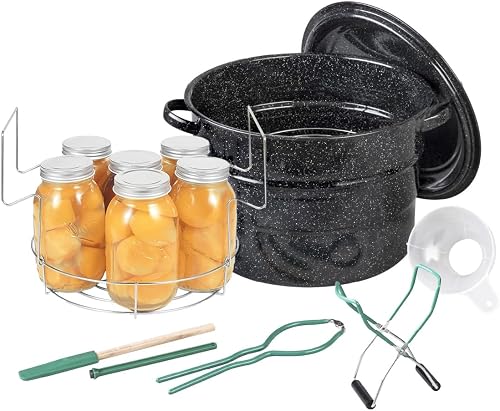
Enamel, stainless, electric and steam canners for jams, pickles, fruit and acidified tomatoes.
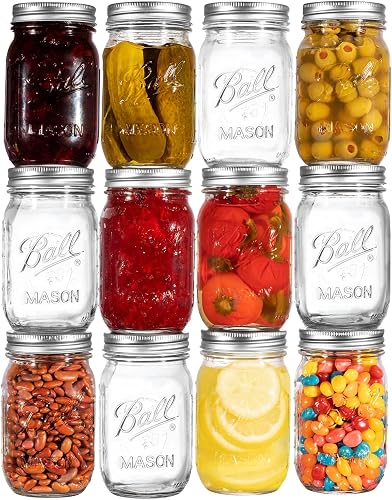
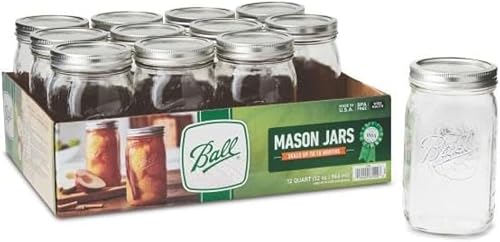
Half-pints, pints and quarts, regular vs wide mouth, and which jars NCHFP says to avoid.
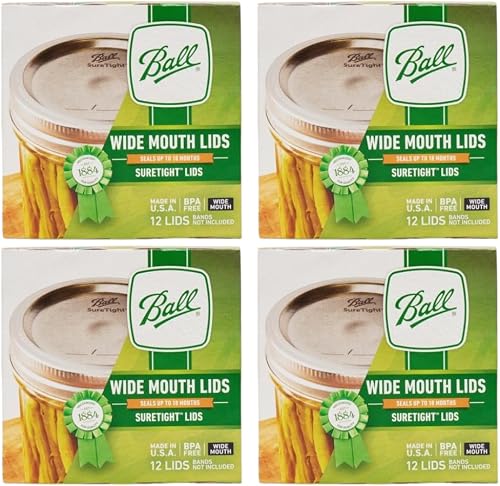
Why flat lids are single-use, whether to preheat them, and bulk vs reusable options.
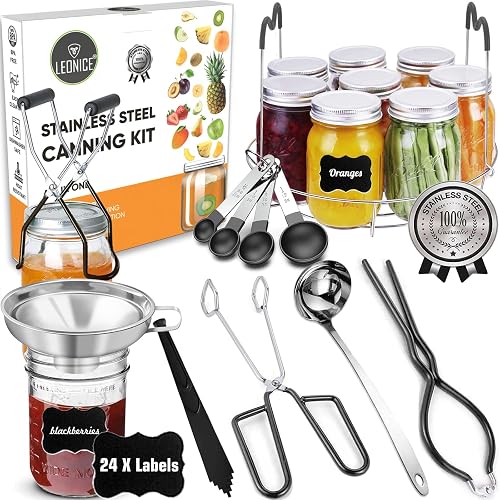
Canner, jars, lids, jar lifter, funnel, headspace tool and a tested recipe source.
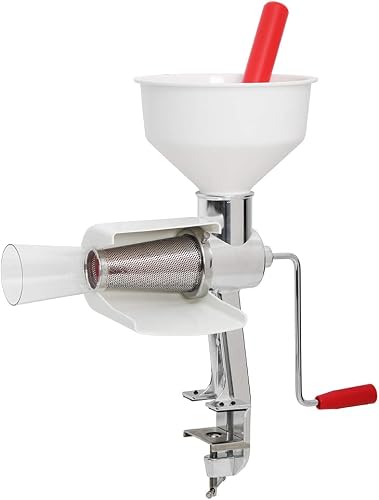
Hand mills, crank strainers, an electric strainer and a KitchenAid attachment for sauce and juice.
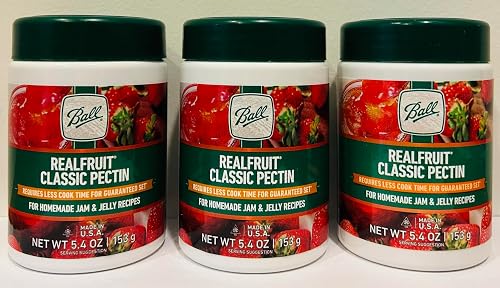
Regular vs low-sugar pectin, why you can't cut sugar, and NCHFP's times for jam.
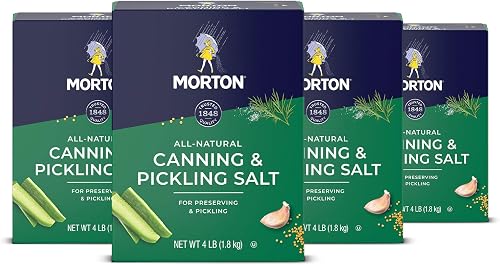
Canning salt vs table salt, citric acid and bottled lemon juice, 5% vinegar and Pickle Crisp.
How-tos and explainers
The pH 4.6 rule, why low-acid foods need 240°F, and which foods go in which canner.
How much lemon juice or citric acid to add, the crushed tomato steps, and times by altitude.
Hot and raw pack steps and USDA pressure canning times by altitude. No water bath option.
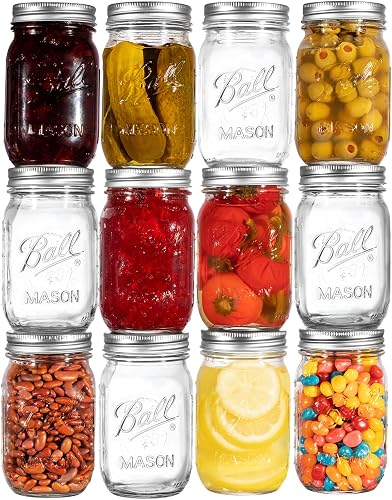
USDA and NCHFP timelines for home-canned and store-bought cans, storage rules and spoilage signs.