
How to Dehydrate Apples: Slicing, Pretreating, Drying and Storing
CanningLab is reader-supported. If you buy through our links we may earn a commission at no extra cost to you. As an Amazon Associate we earn from qualifying purchases. Disclosure.
Dried apples are a good first dehydrator project: they dry well, and you can tell by feel when they're done. The steps that matter are the pretreatment dip, even slices and conditioning at the end.
Peel, core and slice
Colorado State says to pare and core, then cut rings or slices 1/8 to 1/4 inch thick, or quarters or eighths. Penn State allows 1/8 to 1/2 inch and notes thin slices dry into apple chips. Peeling is optional per Penn State, but the skins toughen and make drying take longer.
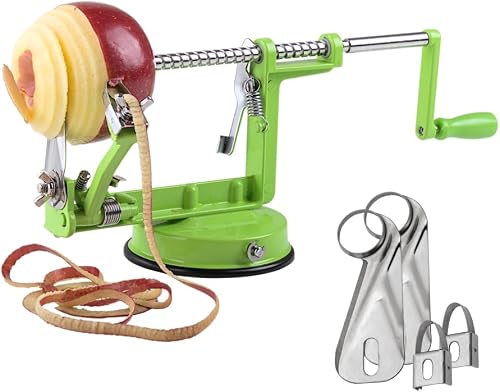
A crank peeler does all three steps at once. The Johnny Apple Peeler peels, cores and slices, has an adjustable peel thickness, and includes spare blades, per the listing. The model below also pares, cores and slices, or does each step alone, and has a suction base, per its listing.
Johnny Apple Peeler, Corer & Slicer (VKP1210)
- Peels, cores and slices, per the listing
- Coring/slicing blade removable; peel thickness adjustable
- Two extra coring and two extra peeling blades included
- Stainless blades, aluminum body, suction base
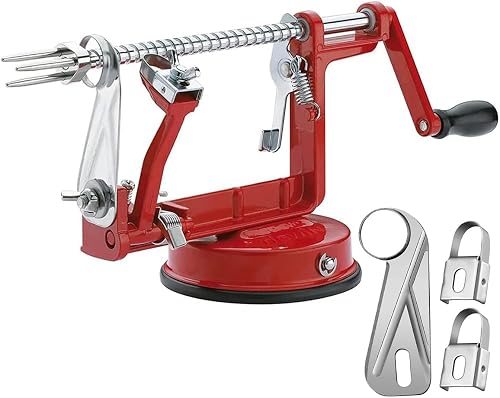
Apple Peeler Corer Slicer with Suction Base
- Pares, cores and slices, or does each step alone, per the listing
- Coring blade removes for potatoes
- Stainless blades, suction cup base
For rings or chips of a set thickness, a mandoline is quicker than a knife.

Gramercy Mandoline Slicer, 12 Settings
- Thickness dial from paper-thin to thick, 12 settings, per the listing
- Cut-resistant gloves, blade guard and cleaning brush included
- Top-rack dishwasher safe
Pretreat to prevent browning
Colorado State calls pretreating highly recommended. It says acid dips also boost the destruction of potentially harmful bacteria during drying. Soak the slices for 10 minutes, then drain well. Options, per Colorado State:
| Dip | Mix |
|---|---|
| Ascorbic acid (Colorado State: more effective than commercial antioxidant mixtures) | 2-1/2 tablespoons pure ascorbic acid crystals per quart of cold water. Six 500 mg tablets equal 1 teaspoon. |
| Citric acid | 1 teaspoon per quart of cold water |
| Lemon juice | Equal parts lemon juice and cold water |
| Commercial antioxidant mixture | Follow the directions on the container. Colorado State says these aren't as effective as ascorbic acid but are easier to find. |
Penn State's version: 3-3/4 teaspoons powdered ascorbic acid or 1/2 teaspoon powdered citric acid in 2 cups of water, or one part bottled lemon juice to one part water. Penn State does not recommend sulfuring or sulfite dips.
Citric acid powder works for the citric dip. Mrs. Wages Fresh Fruit Preserver is listed to prevent browning of apples and other fruit, per the listing. Colorado State's general advice for commercial anti-browning products is to follow the directions on the container.
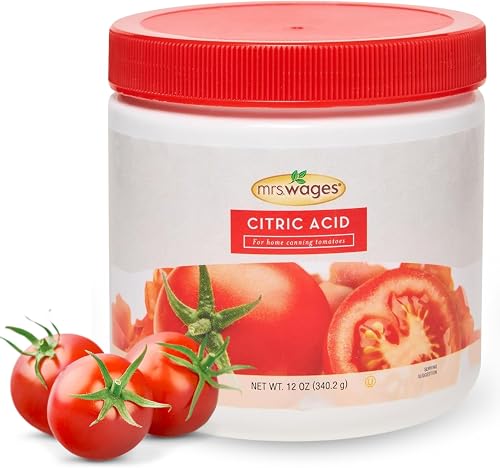
Mrs. Wages Citric Acid, 12 oz
- Label directions: 1/4 teaspoon per pint or 1/2 teaspoon per quart of tomatoes, per the listing
- 12 oz jar; kosher
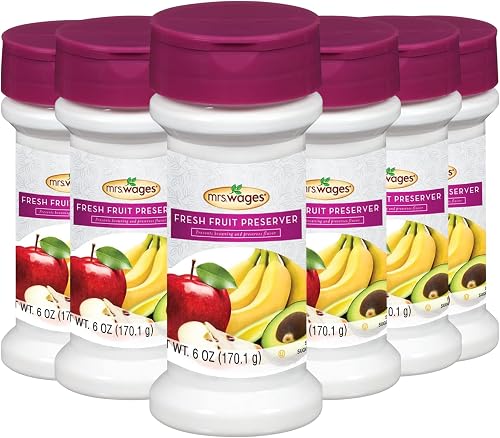
Mrs. Wages Fresh Fruit Preserver (6 x 6 oz)
- Listed to prevent browning of apples, peaches, bananas and avocados
- Also listed for making syrups for canning and freezing fruit
- Six 6 oz shaker bottles
Drying
- Temperature: Colorado State says 140°F. NCHFP says dehydrators are designed to dry foods fast at 140°F. Penn State starts at 145°F for the first hour, while there's surface moisture, then drops to 135-140°F. It warns that too high a temperature causes case hardening.
- Time: 6 to 24 hours (Colorado State) or 6 to 12 hours for slices (Penn State).
- Turn the pieces every 3 to 4 hours, per Colorado State, and watch closely at the end: fruit scorches easily toward the end of drying.
- Oven option: Penn State says 140-150°F with the door propped open about 2 inches.
Need a dehydrator? Our dehydrator guide compares drying space and temperature range. The COSORI has six stainless trays, a rear-mounted fan and a 95-165°F range, per the listing.
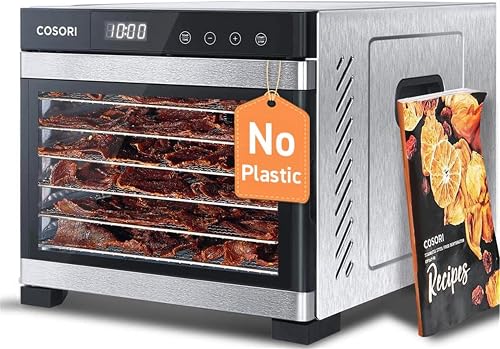
COSORI 6-Tray Stainless Steel Food Dehydrator
- 6 stainless steel trays; 6.5 sq ft of drying space, per the listing
- 600 W, rear-mounted fan
- 95°F to 165°F; timer up to 48 hours
- Mesh screen, fruit roll sheet and recipe book included
Is it done?
Colorado State: let a few pieces cool first, then check that they're soft, pliable and leathery with no moist area in the center when cut. Its squeeze test: squeeze a handful; if no moisture is left on your hand and the pieces spring apart when released, they're dry. Penn State: apples are dry when they're pliable and no beads of moisture form when you press them between your fingers.
Condition before storing
Pieces from the same batch don't all dry evenly. Conditioning spreads out the leftover moisture and shows you if anything needs more time. Colorado State's method: put the cooled fruit loosely in plastic or glass containers about two-thirds full, cover lightly and keep them somewhere warm, dry and well ventilated for 4 to 10 days. Shake or stir daily. If beads of moisture form inside, put the fruit back on the trays.
Penn State adds a step for unpeeled fruit or fruit dried uncovered: treat it for insects with 30 minutes in a 160°F oven or 48 hours in a 0°F freezer.
Storing
Colorado State says to use dry glass jars (dark ones preferred) or moisture- and vapor-proof freezer containers or bags, kept somewhere cool, dry and dark. Plan on about 6 months. It's been known to last longer: Colorado State says properly stored dried fruit keeps well for 6 to 12 months, and NCHFP gives about a year at 60°F (6 months at 80°F) for most dried fruit. Penn State notes shelf life goes up in the fridge or freezer. For longer storage, see our mylar bag guide.
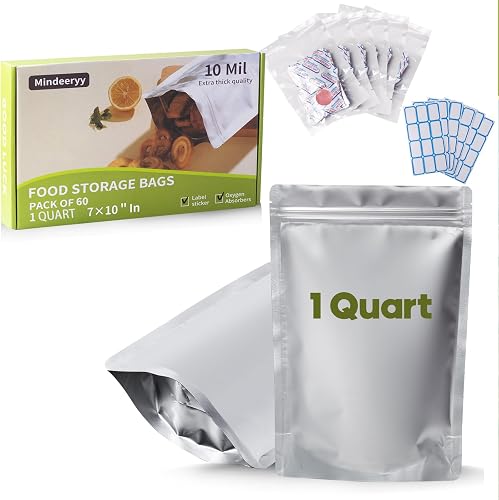
1-Quart Mylar Bags with Oxygen Absorbers (60)
- 60 zipper, heat-sealable 7 x 10 in. bags with 60 oxygen absorbers (400cc) and labels, per the listing
- PET/aluminum foil/PET layers
FAQ
What temperature?
140°F, per Colorado State. (NCHFP notes dehydrators are designed to dry foods at 140°F.)
How long?
6 to 24 hours, depending on thickness and your dehydrator.
How do I stop browning?
A 10-minute dip in ascorbic acid, citric acid or lemon juice solution.
How long do they keep?
Plan on about 6 months; it's been known to last up to 12, per Colorado State.